ISO 9001:2015
Quality Management System (QMS)
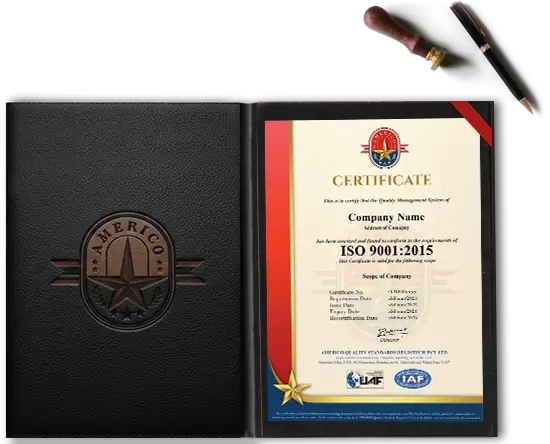
Obtaining ISO 9001:2015 certification demonstrates an organization’s commitment to the highest global quality management standards, ensuring an effective system to meet customer requirements and continuously improve internal processes. This certification builds trust among partners and clients in the company’s ability to deliver consistent, high-quality products and services, while enhancing competitiveness in both local and international markets. It also provides a clear framework for managing risks and opportunities, supporting organizational performance and long-term sustainability, making it a strategic tool for growth and continuous development.
ISO 9001:2015 certification shows a company’s dedication to global quality standards, ensuring consistent products and services. It builds trust with clients, improves processes, and strengthens competitiveness, while supporting long-term growth and organizational excellence.
ISO 14001:2015
Environmental Management Systems (EMS)
Obtaining ISO 14001:2015 certification demonstrates an organization’s commitment to the highest international environmental management standards, ensuring systematic control of environmental impacts and sustainable practices. This certification enhances the organization’s credibility among stakeholders and clients by showing dedication to reducing environmental risks, complying with regulations, and promoting sustainable development. It provides a structured framework for continuous environmental improvement, efficient resource management, and long-term operational sustainability, making it a strategic tool for enhancing reputation and competitive advantage in local and global markets.
ISO 14001 certification reflects a company’s commitment to environmental management, ensuring sustainable practices, regulatory compliance, and reduced environmental impact, while enhancing reputation and long-term business resilience.
ISO 45001:2018
Occupational Health & Safety Management System (OH&S)
Obtaining ISO 45001:2018 certification demonstrates an organization’s commitment to the highest international standards for occupational health and safety management, ensuring a systematic approach to preventing workplace injuries and illnesses. This certification builds trust among employees, clients, and stakeholders by showcasing proactive risk identification, compliance with legal requirements, and continuous improvement in safety performance. It provides a structured framework for monitoring hazards, implementing safety controls, and promoting a culture of wellbeing, supporting organizational performance and long-term operational sustainability. As a result, it serves as a strategic tool for protecting workforce, enhancing reputation, and improving competitiveness in both local and global markets.
ISO 45001 certification demonstrates an organization’s commitment to occupational health and safety, ensuring a safe work environment, reducing risks, and promoting the well-being of employees while enhancing overall business performance.
ISO 22000:2018
Food safety management systems (FSMS)
Obtaining ISO 22000:2018 certification demonstrates an organization’s commitment to the highest international food safety management standards, ensuring the ability to consistently provide safe food products. This certification builds trust with customers, suppliers, and regulatory authorities by showing effective control of food safety hazards, risk management, and compliance with legal requirements. It establishes a clear system for continuous improvement, traceability, and crisis preparedness, supporting organizational performance and consumer confidence. As a result, it enhances competitiveness and sustainability in both local and international food markets.
ISO 22000 certification demonstrates dedication to food safety, ensuring effective hazard control, regulatory compliance, and trust in delivering safe, high-quality food products to consumers.
ISO 31001:2018
Risk Management Systems (RMS)
Obtaining ISO 31001:2018 certification demonstrates an organization’s commitment to the highest international standards in risk management, ensuring systematic identification, assessment, and mitigation of risks across all operations. This certification builds trust among stakeholders and clients by showing a proactive approach to risk-based decision-making, compliance, and opportunity optimization. It provides a structured framework to enhance organizational resilience, support strategic objectives, and promote continuous improvement, making it a valuable tool for sustainable growth, performance optimization, and long-term competitiveness.
ISO 31001 certification highlights a company’s focus on risk management, providing structured methods to identify, assess, and mitigate risks, while supporting strategic decision-making and organizational resilience.
ISO 22301:2019
Business Continuity Management Systems (BCMS)
Obtaining ISO 22301:2019 certification demonstrates an organization’s commitment to the highest standards of business continuity management, ensuring resilience against potential disruptions. This certification strengthens confidence among partners, clients, and stakeholders by showcasing the organization’s ability to prepare for, respond to, and recover from disruptive events efficiently. It provides a structured framework for identifying risks, planning contingencies, and maintaining critical operations, supporting sustainable performance and organizational stability. This makes it a strategic tool for minimizing losses, protecting reputation, and enhancing long-term operational continuity.
ISO 22301 certification shows an organization’s commitment to business continuity, enabling effective risk management, quick recovery from disruptions, and sustained operations under any circumstances.
ISO 41001:2018
Facility Management systems (FMS)
Obtaining ISO 41001:2018 certification demonstrates an organization’s commitment to the highest standards of facility management, ensuring efficient, safe, and sustainable management of physical assets and workplace environments. This certification enhances credibility among clients, employees, and stakeholders by showing structured processes for optimizing facility performance, reducing risks, and improving service delivery. It provides a clear framework for continuous improvement, resource optimization, and cost-effectiveness, supporting organizational performance and long-term operational excellence, while strengthening competitiveness in local and global markets.
ISO 41001 certification demonstrates excellence in facility management, ensuring efficient operations, cost optimization, and a safe, productive environment that supports business objectives.
ISO 50001:2018
Energy Management System (EMS)
Obtaining ISO 50001:2018 certification demonstrates an organization’s commitment to the highest energy management standards, ensuring efficient energy use and reduction of environmental impact. This certification strengthens confidence among stakeholders and clients by showing proactive measures to monitor, control, and optimize energy consumption while complying with legal and sustainability requirements. It provides a structured framework for continuous improvement, cost savings, and operational efficiency, supporting long-term organizational performance and sustainability. As a strategic tool, it enhances competitiveness, reduces environmental footprint, and promotes responsible energy management practices.
ISO 50001 certification shows commitment to energy management, improving efficiency, reducing costs and environmental impact, while promoting sustainable and responsible energy use.
ISO 27001:2022
Information security, cybersecurity and privacy protection
Obtaining ISO 27001:2022 certification demonstrates an organization’s commitment to the highest international standards for information security management, ensuring the protection of sensitive data and critical information assets. This certification builds trust among clients, partners, and stakeholders by showing effective risk management, compliance with regulations, and robust information security controls. It provides a structured framework for identifying threats, managing vulnerabilities, and maintaining business continuity, supporting organizational performance and long-term credibility. As a result, it serves as a strategic tool for securing information, mitigating risks, and enhancing competitive advantage.
ISO 27001 certification reflects dedication to information security, safeguarding sensitive data, managing risks effectively, and building trust with clients and stakeholders.
ISO/IEC 20000-1:2018
Information Technology — Service Management
Obtaining ISO/IEC 20000-1:2018 certification demonstrates an organization’s commitment to the highest international standards for IT service management, ensuring the delivery of reliable, consistent, and high-quality IT services. This certification builds trust among clients, partners, and stakeholders by showcasing effective service management processes, risk control, and continual improvement aligned with business objectives. It provides a structured framework for planning, implementing, monitoring, and enhancing IT services, supporting operational efficiency, customer satisfaction, and long-term organizational performance. As a strategic tool, it strengthens competitiveness, optimizes service delivery, and enhances credibility in both local and global markets.
ISO/IEC 20000-1:2018 certification reflects an organization’s commitment to effective IT service management, ensuring reliable, high-quality IT services, continuous improvement, and enhanced customer satisfaction.






























 EN
EN  AR
AR